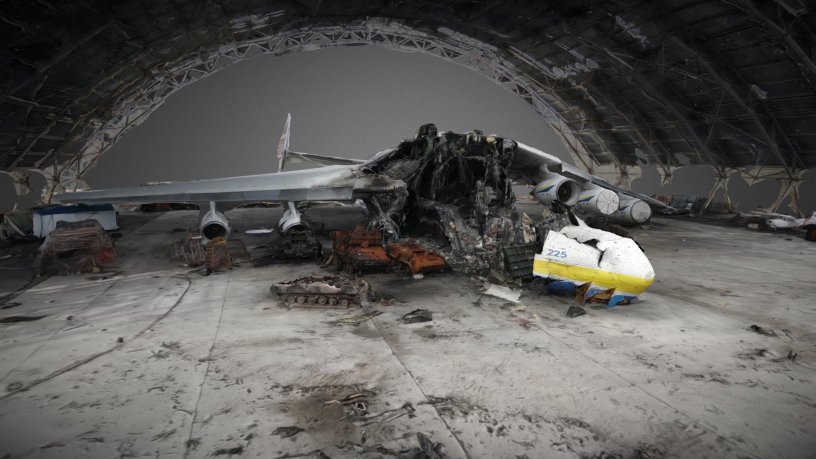
The conflict in Donbas between the pro-Russian separatists and the Ukrainian nationalists has deep roots and has proceeded uninterrupted for roughly 8 years. However, at the beginning of 2022, only a few analysts expected that it would have led to devastating consequences on a global scale. In particular, air transport is one of the industries that has been heavily affected by the conflict, and it is currently complicated to forecast which will be the potential impacts on this sector in the long term.
Airspace closure
Ukraine was the first country forced to close its national airspace, following the invasion of the Russian troops. Nevertheless, even at the beginning of February, several European airlines began to reduce their operations in Ukraine, to avoid their crews and aircraft could have remained stuck in the country due to the war outbreak. The only communitarian carrier currently having some of its aircraft blocked in Ukraine is the low-cost Wizzair, with 4 Airbus A320s grounded, 3 parked in Kyiv and 1 in Lviv. From the 26th of February, many European countries decided to ban Russian airlines from their national airspace, reacting to the Russian army invasion of Ukraine. On the morning of the following day, the list of countries implementing this measure has extended and comprised: the United Kingdom, Slovenia, Czech Republic, Poland, Estonia, Latvia, Lithuania, Finland, Romania, Bulgaria and Moldova (this latter closed its airspace to all flights regardless of their nationality). Afterwards, other countries, including Denmark and Italy, implemented the same measure. Besides, the European Union will likely decide to ban Russian flights from all 27 members, including both commercial and general aviation flights. On the other side, the Russian government applied reciprocal restrictions to all the carriers belonging to the countries which banned Russian airlines.

Practical consequences on the operations
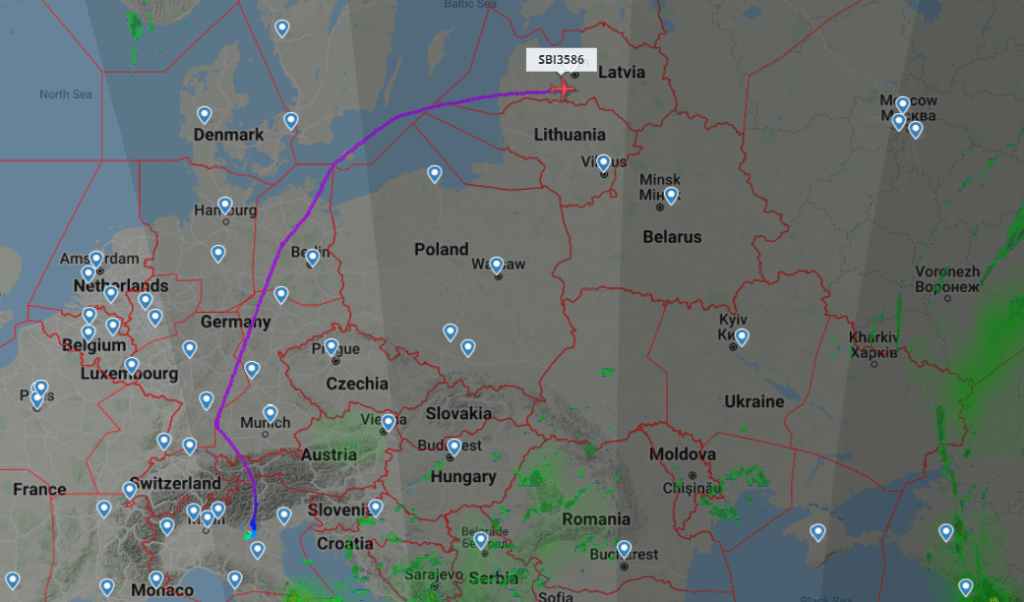
These restrictions are causing many impacts on the airlines’ operations, with carriers being forced to substantially extend the flights’ time. For instance, the service from Minsk to Istanbul, which previously had an average flight time of roughly 2 hours, currently takes over 5 hours and 45 minutes.

As a consequence, aircraft burn more fuel, dramatically increasing airlines’ operating costs. In conclusion, both sides are damaged by this conflict, on one hand, Russian airlines are not allowed anymore to fly in multiple European countries. On the other hand, European carriers are forced to revise their flight plans and significantly extend the length of their routes to Far East Asia, since they cannot fly over Russia.

 Flymoreandbetter