
Among the most striking airlines of the last decade, Turkish Airlines experienced exponential growth both on the European and worldwide stage, providing excellent onboard service through its state of the art fleet, comprising roughly 370 aircraft.
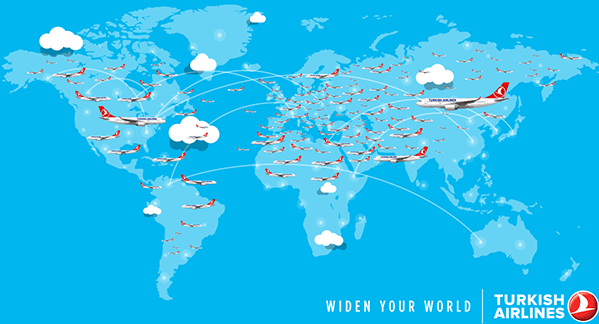
During the last few years, the carrier reached several milestones, connecting its hub in Istanbul with over 300 cities in 126 countries, and becoming the first airline worldwide for the number of destinations served.
Furthermore, the Turkish carrier retains several partnership agreements with other airlines, being part of Star Alliance since 2008, making its network even more widespread and providing its passengers with unlimited connection options
What should we expect on long-haul flights?
The widebody fleet of Turkish Airlines comprises both Airbus and Boeing aircraft, including A350-900, A330s (-300 and -200), Boeing 777-300ER and B787-9, all featuring two classes of service (business and economy class).
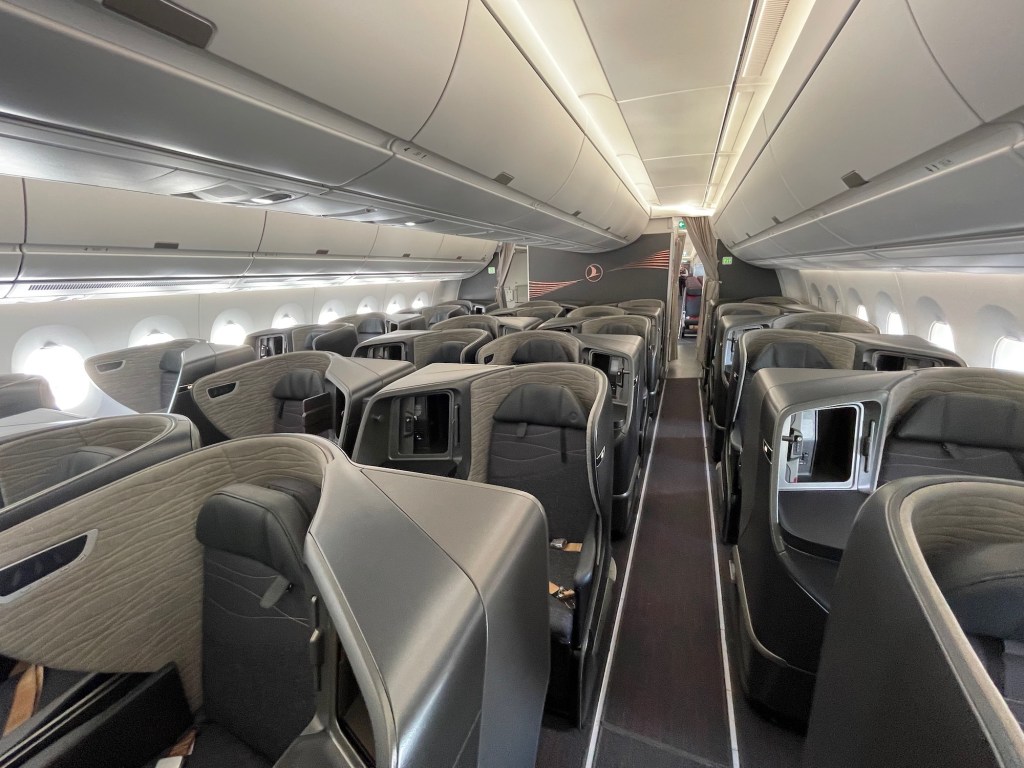
-Business-class
Depending on the considered aircraft, there are two different types of business-class cabins.
-New business class: The new A350s and B787s present the most recent business class cabin layout, with the seats laid out in a staggered 1-2-1 configuration, providing direct aisle access to every passenger. Besides, each seat has 76 inches of pitch and it is 23 inches wide.
-Old business class seat: The previous generation of the business class cabin features fully lie-flat seats, which provide 61 inches of pitch and 21 inches of width. The seat configuration is 2-2-2 on the A330 and 2-3-2 on the B777.

-Economy class
The economy class seats on Turkish Airlines’ widebody fleet feature 18 inches of width and 32 inches of pitch. The seat configuration is 2-4-2 on the A330, 3-3-3 on the B787 and A350, and 3-4-3 on the B777. Every seat is equipped with the IFE system, providing passengers with a wide variety of choices in terms of entertainment.
What should we expect on short-haul services?
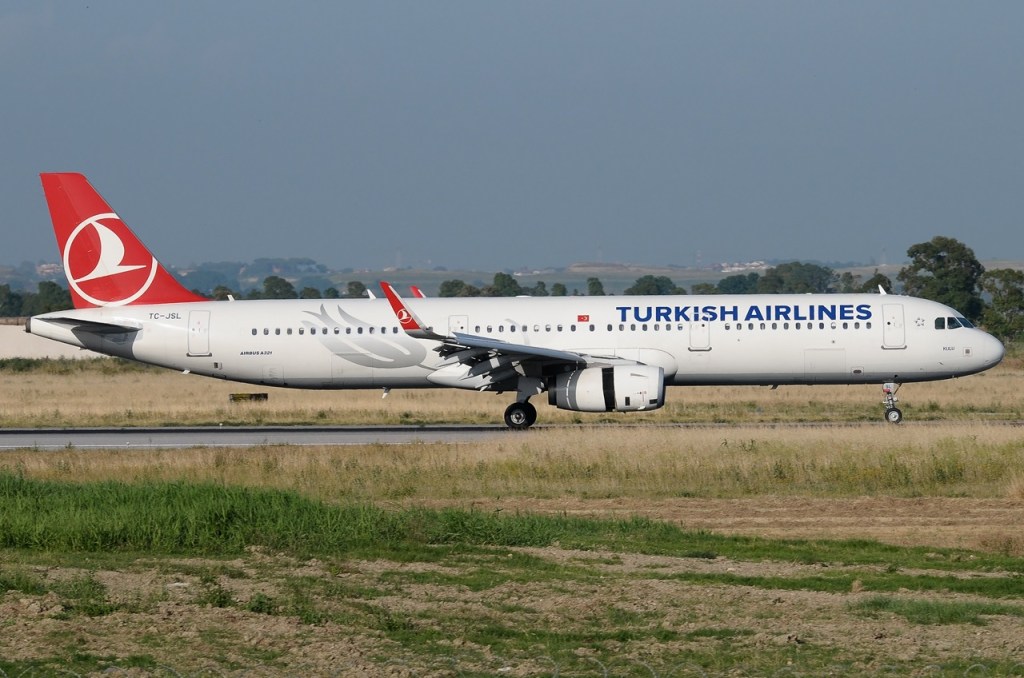
The narrowbody fleet of the Turkish carrier is made of both Airbus aircraft, including A319, A320, A321 and A321 NEO (New engine option); and Boeing 737 (-800, -900, MAX -8 and -9), each plane features two travel classes.
-Business-class: the cabin features comfortable recliner seats equipped with leg rest, providing 20 inches of width and 34 inches of pitch. The seats are laid out in a 2-2 configuration onboard every aircraft type.

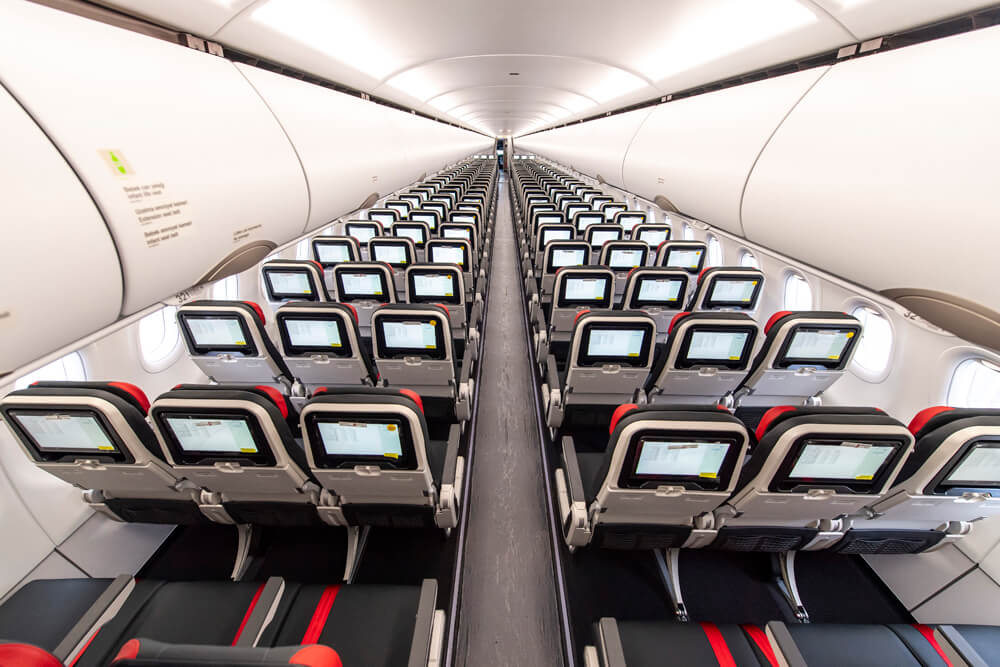
-Economy class: the economy class seats are 18 inches wide, with a pitch of roughly 31 inches and they are laid out in the standard 3-3 configuration. Furthermore, Turkish Airlines’ newest planes, which joined their fleet recently, feature the IFE system in every seat.
Insights about Istanbul airports
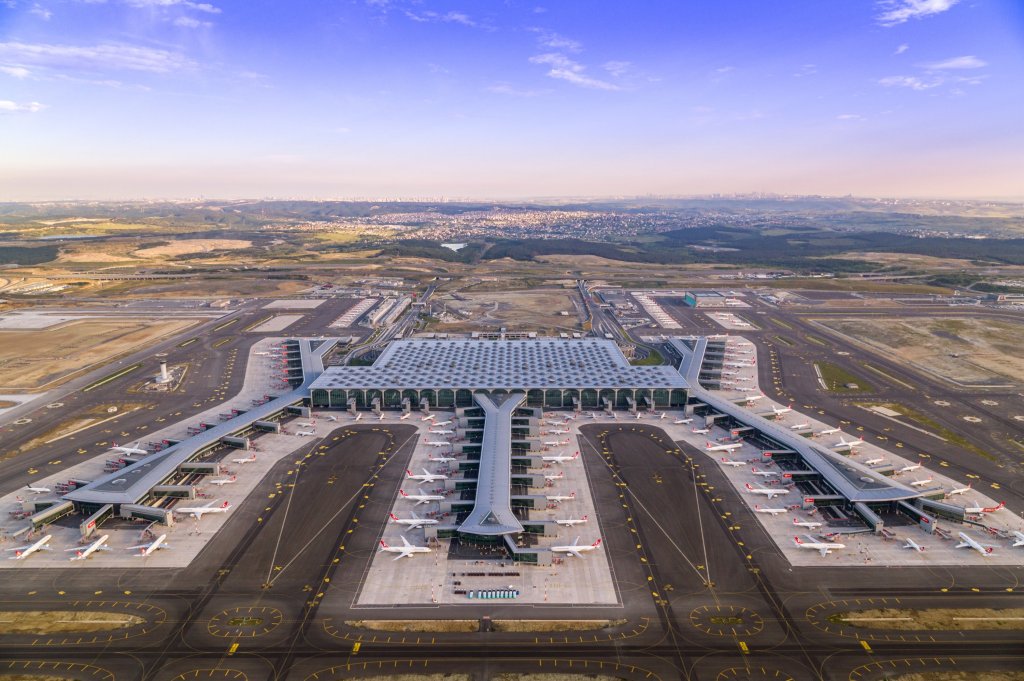
Istanbul Havalinami is Turkish Airlines’ main hub, and it is currently one of the largest airports worldwide. It was opened in late 2018 to replace the historic Ataturk airport, which was facing a capacity limit and restricted possibilities of expansion.
Due to air transport crisis caused by Covid-19, in 2021 the airport recorded only 37 million passengers, ranking as Europe’s busiest airport. Nevertheless, Havalinami airport will likely reach its 2019 traffic levels by the end of 2022, and it will be able to handle over 200 million passengers yearly at full capacity. Furthermore, Turkish Airlines operates also in Istanbul secondary airport, Sabiha Gokcen which is mainly dedicated for low cost carriers.
 Flymoreandbetter