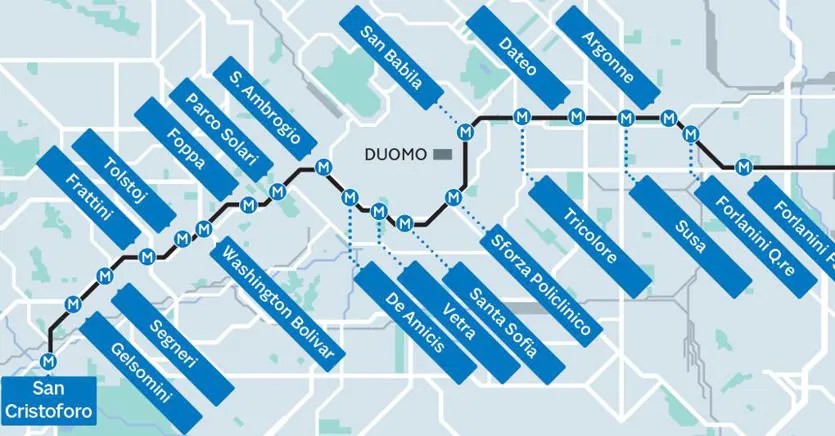
M4 Underground line stations
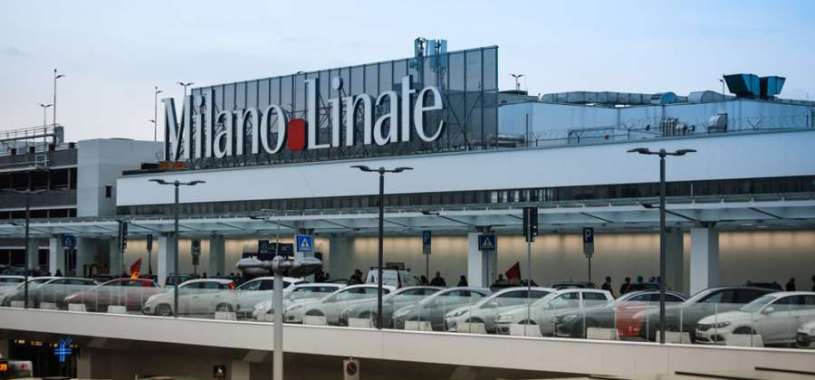
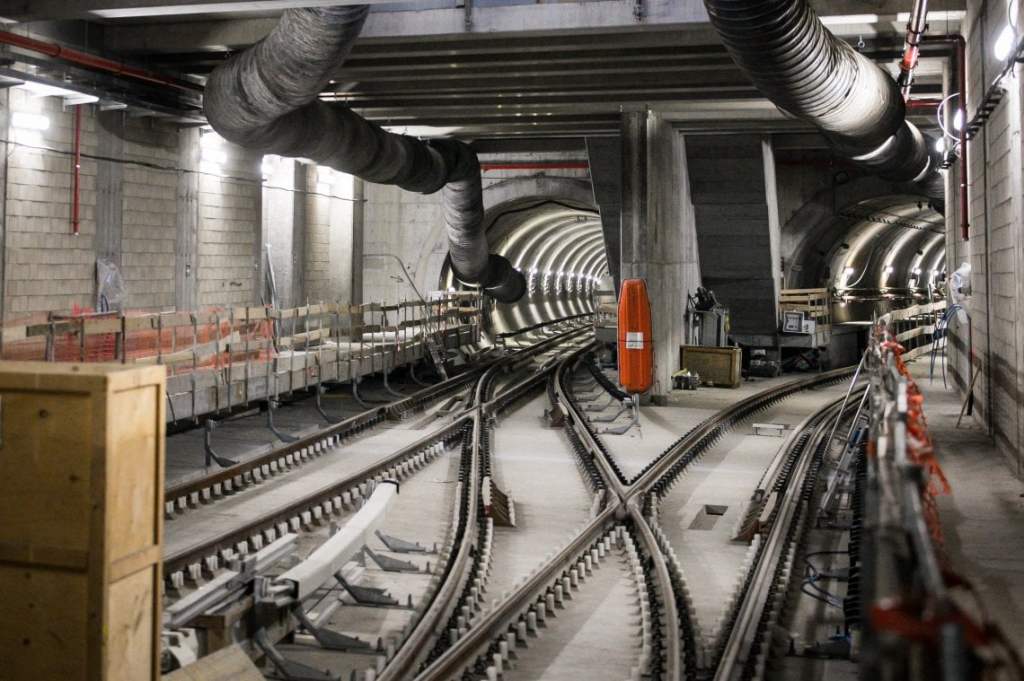
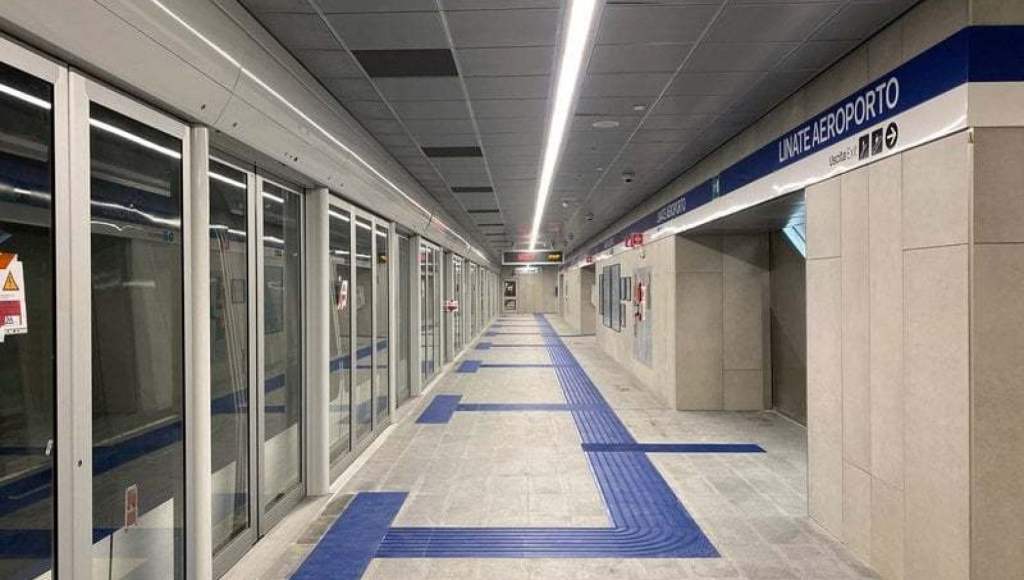
The launch of the underground M4 line represents a major milestone for Milan Linate international airport, which finally becomes connected with Milan’s city centre through rail services. The M4 will boost airport connectivity and will provide passengers with an additional option to reach Linate, since before they could count on just taxis and bus services.
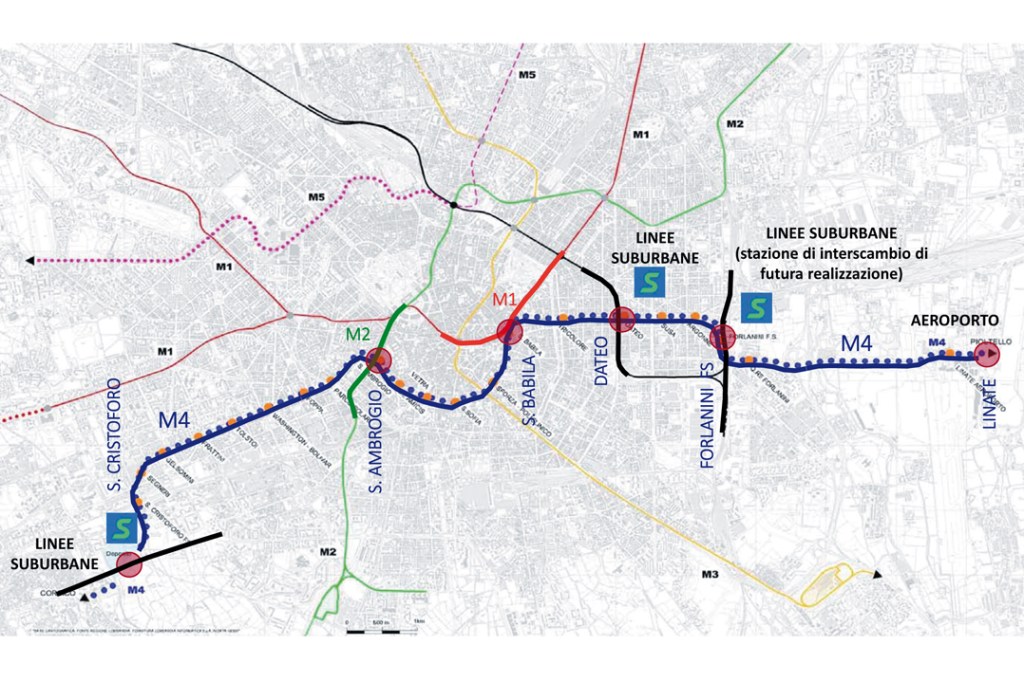
M4 stations opened on the 26-11-22
On the 26th of November 2022, the M4 underground service was launched along the 5,6-kilometer track, featuring 6 stops between Dateo and Linate airport stations. The current plan sets up the opening of Tricolore and San Babila stations by June 2023 and to complete the whole line to San Cristoforo by October 2023. Once finalised, the M4 line will cover a 15 km distance and it will connect the Western and Eastern Milan’s suburbs through 21 stations.
Delays occurred over the years
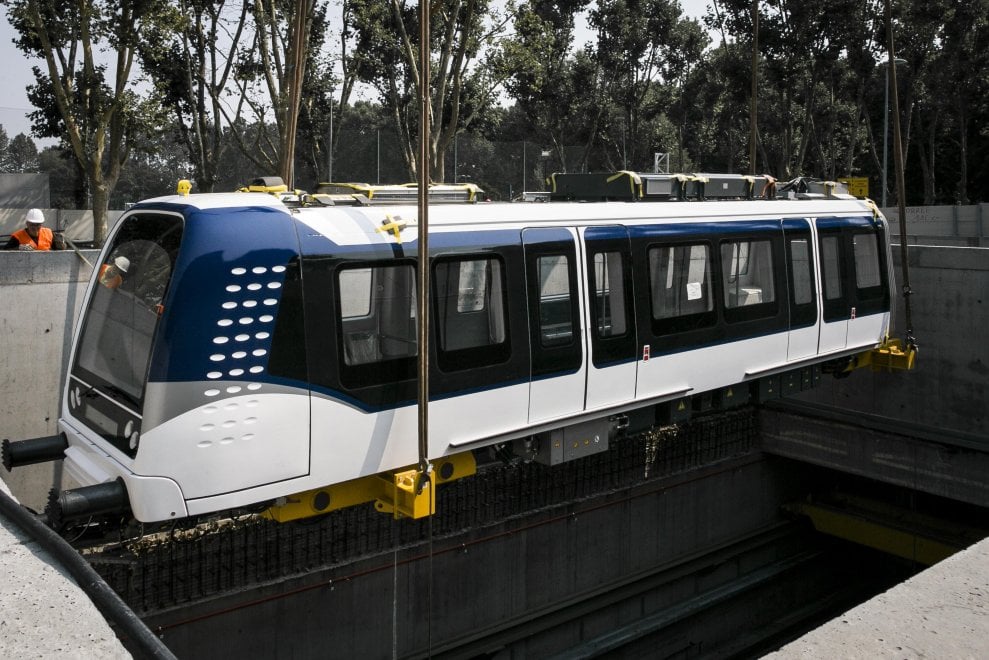
Initially, the plan was to realise the M4 line in time for the EXPO 2015, which took place in Milan between May and November of the same year. Nevertheless, due to several issues between Milan’s municipality, the companies in charge of the construction and finally Covid-19 pandemic, led to the postponement of the launch of the first services to late 2022. The M4 line construction should end by mid 2024.
The closest airport to Milan
Linate Airport, being located just 7 kilometer far from Milan, it is the closest airport to the city centre, compared to Malpensa and Orio al Serio, positioned 41 and 50 km far from Milan respectively.
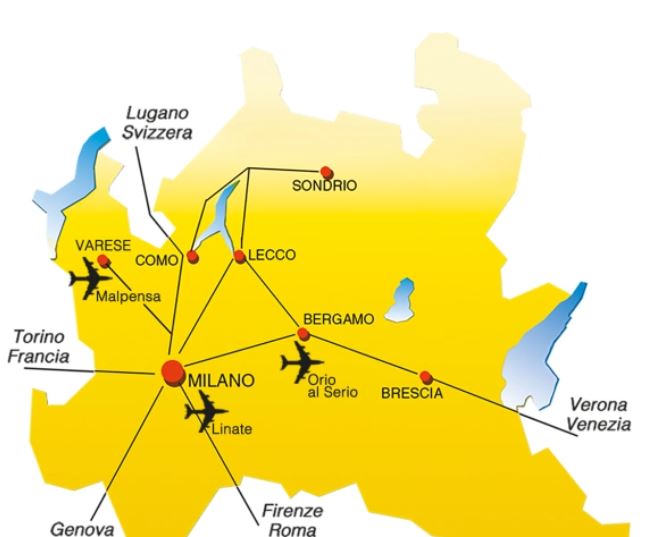
On the other hand, Linate ranks third for passenger volumes among Milan Airport systems, positioning behind Malpensa and Orio al Serio. Analysing the statistics provided by Assaeroporti (the Italian organisation collecting air traffic data), Linate handled 4,6 million passengers in 2021, compared to the 9,6 million transited in Malpensa and 6,4 million passengers in Orio al Serio. The gap is even higher assessing 2018 as a sample year, which was not impacted by the air transport crisis provoked by Covid-19 and the closure period that occurred in 2019 for refurbishment purposes, the passenger trend is equivalent. The statistics show 24,7 million passengers recorded in Malpensa, 12,9 million in Orio al Serio and just 9,2 million in Linate. Nevertheless, Linate plays the role of the city airport, providing short-haul flights to domestic and international European destinations. In contrast, Malpensa is the second largest Italian airport, featuring long-haul flights, while Orio al Serio is mainly a low-cost airport. Furthermore, Linate due to its proximity to extremely populated areas is characterised by a limitation on the number of flights that can be operated daily. In particular, only 18 take-off and landing operations in 1 hour can be effectuated by commercial airlines. In contrast, general aviation flights, including government and private aircraft are not impacted by the limitation. These factors show why Linate’s volumes have been constant over the last ten years (with an average of 8 to 9 million passengers recorded every year), and this trend is likely to be steady in the future.
Potential new extra-EU destinations from Milan Linate
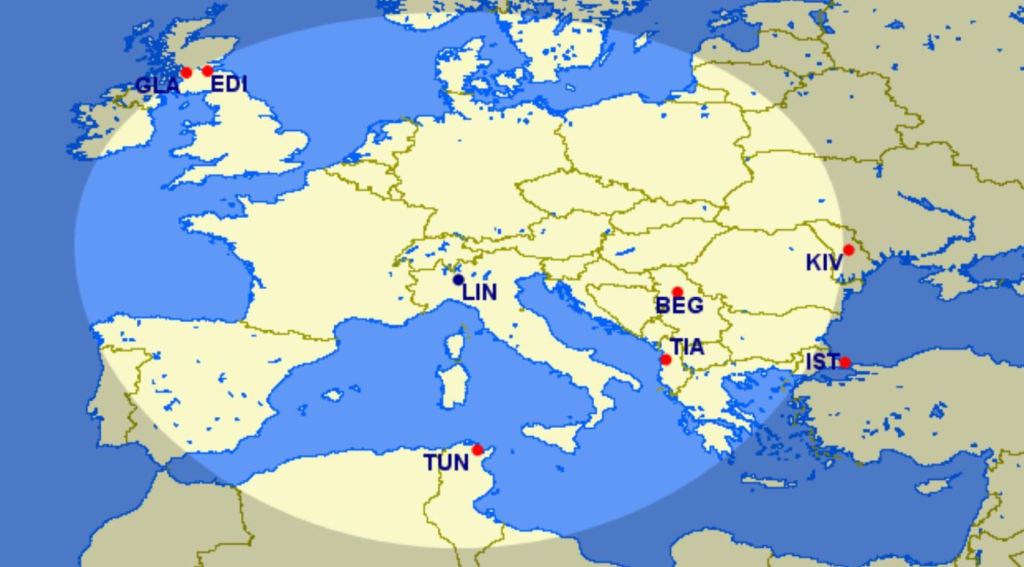
According to a recent article published by Corriere della Sera (2022), the latest regulations regarding Linate’s traffic will ease the restrictions for extra-EU flights. In particular, airlines will be allowed to fly from Linate to cities outside the European Union if they are less than 1,500 km far from Milan, to preserve the flights to London even after the completion of the Brexit transition. This amendment to the regulations applied to the airport will likely increase the number of destinations available from Linate and increase its passenger volumes.
Public transports offer to Milan’s airports
With the launch of the M4 line, Milan’s airports connectivity has seen a consistent upgrade. On the one hand, Malpensa is connected with a train service to 4 major Milan stations, available during the day every 15 minutes, and to many other destinations through several bus companies operating in Malpensa. On his side, Linate can be reached both by bus and underground; finally, Orio al Serio will be connected with Bergamo and Milan by train. Boosting the transportation options is essential for Milan to deal with the 2026 Winter Olympics games, which will challenge its infrastructure.
 Flymoreandbetter