
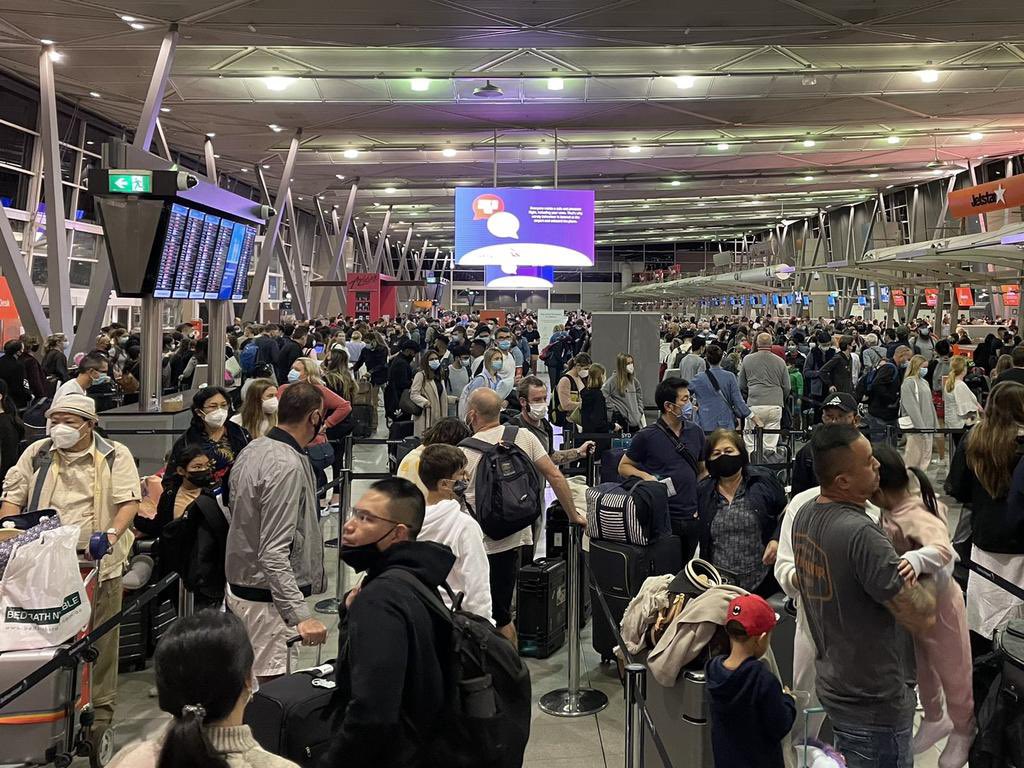
Following three years of underwhelming air traffic volumes caused by Covid-19 restrictions on international travelling, by the end of 2023, the Australian market is estimated to reach 90% of 2019 records. With the increase in passenger demand, airlines have been boosting their connectivity to Australian destinations, providing increased capacity and flexibility to passengers travelling overseas. Despite the positive premises, summer 2023 has been a turbulent period for the aviation industry in Australia, due to staff shortages, expensive airfares and protectionism policies.
Expensive airfares
In 2023, airfares have grown dramatically worldwide, with airlines over-charging their passengers to recover the losses recorded during the years of the pandemic flying disruption. Nevertheless, this phenomenon is driven by two main factors: jet fuel price and demand exceeding capacity.
The first factor highly impacts airlines that are still making use of jet fuel contracted at 2022 prices, with an average price of $141.3 per barrel globally. The second element that led to the increase in airfares is the mismatch between the growth of passengers’ demand and the stagnation of the capacity offered by airlines. For instance, considering the Kangaroo route between Australia and Europe, despite the air traffic volumes having almost reached pre-pandemic levels, seat availability is 30% lower than it was in 2019.
Capacity on the Kangaroo route is only back to 70% of where it was before Covid.
(The Guardian, September 2023)
These two factors combined have made flight ticket prices skyrocket during peak travel periods.
Protectionism limits competition
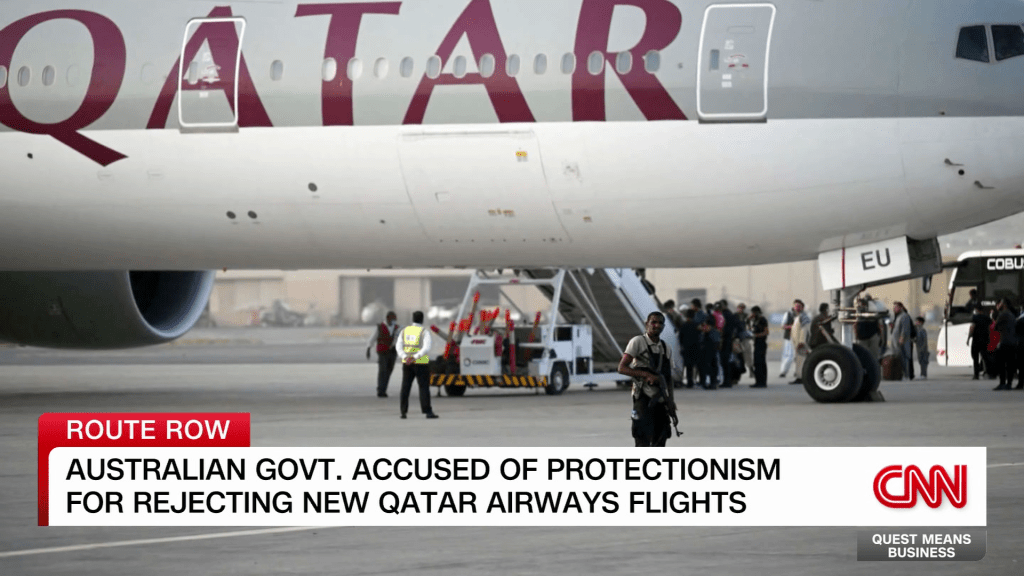
Recently, the Australian government attracted the spotlight due to some protectionism policies over international carriers operating in the country. Indeed, Qatar Airways has been rejected to launch additional flights to some Australian destinations. Since Qatar and Australia did not draft any Open Skies Agreement, airlines of the two countries are only allowed to operate up to 21 direct services each week according to the Air Service Treaty in place.
On one hand, this agreement prevents foreign airlines from jeopardising Australian airlines, however, it limits competition eventually impacting consumers. Furthermore, Qantas features a dominant position in the domestic market and, thanks to this factor, managed to reach $2.47 billion in record profits in 2023.
Project Sunrise
Qantas plans to further reinforce its leading positions in international flights from Australia through the project Sunrise. The Aussie flag carrier plans to start flying non-stop between Australia and Europe by the end of 2026, operating 12 Airbus A350-1000 ULR (Ultra long-range aircraft, equipped with additional tanks). Flying non-stop will represent a significant advantage over its competitors since it will reduce passengers’ travel time by up to 4 hours.

Potential non-stop destinations reached through Project Sunrise
In conclusion, flying to Australia is likely to become more exclusive and expensive over the next years, as it was decades ago.
 Flymoreandbetter