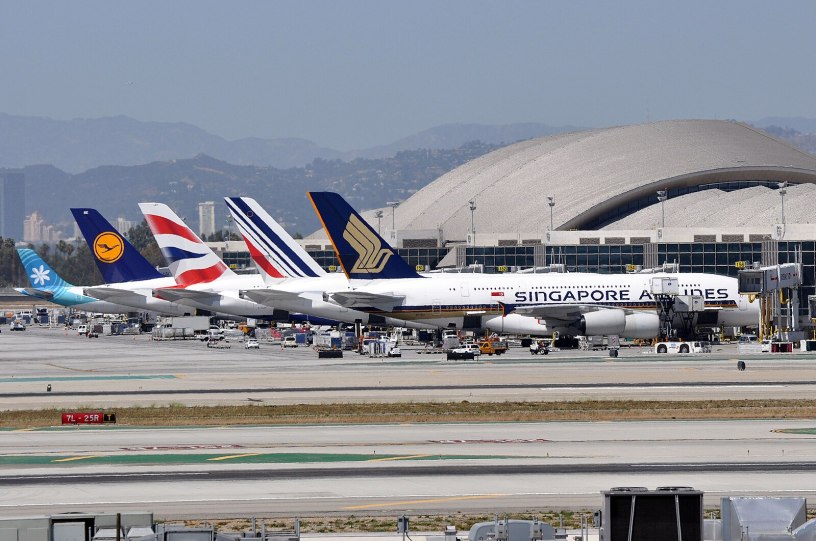
The Aviation industry is based on the economy of scale, the larger an organisation becomes, the more likely it will generate profit. This concept relies on manufacturers and operators; thus, it is no wonder airlines developed partnerships and alliances over the last two decades, which provide carriers with solid networks and a common strategy.
This article will present the features of the three largest alliances and some tips for unfrequent flyers.

Star Alliance

Established in 1997, Star Alliance is the first-ever airline alliance of the modern era of the air transport market. Air Canada, Lufthansa, Scandinavian Airlines, Thai Airways International, and United Airlines were the 5 founding members that developed synergies between them and other airlines to expand the alliance, which counts 25 members in 2025.
Surprisingly, as of 2024 Scandinavian Airlines exited the alliance following massive operation restructuring of the carrier. In contrast, in 2025 Star Alliance will welcome Ita Airways as a new member following Lufthansa’s acquisition of 41% of the Italian airline shares. In 2025, whilst Lufthansa group and Turkish Airlines contend the leadership in Europe, United Airlines encounters no rival in the American market.
SKY Team
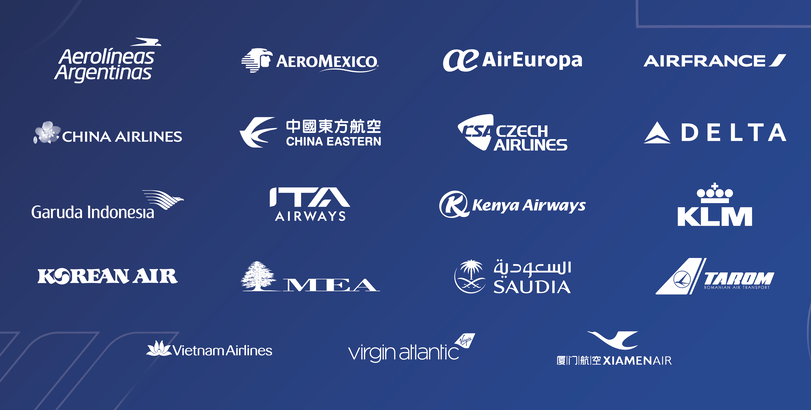
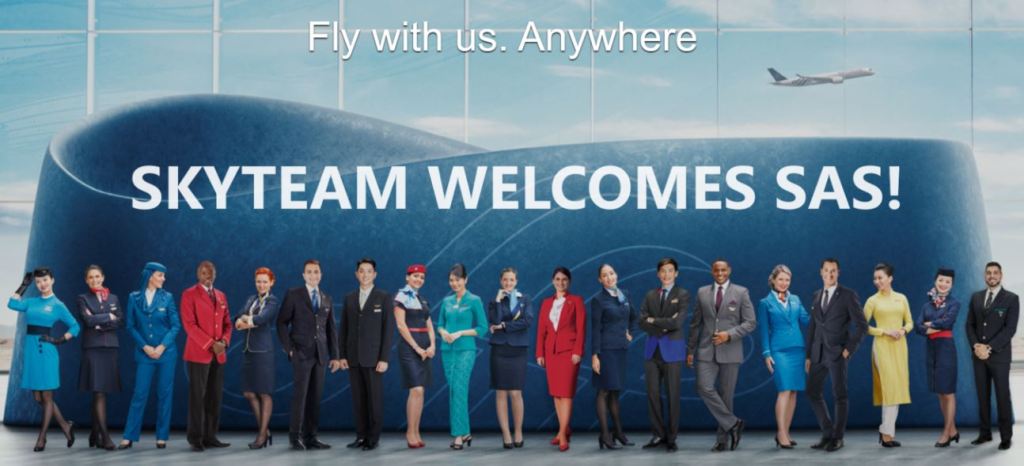
Being constituted in the new millennium, SKY Team is the second largest alliance comprising 18 active members, with Delta, Air France, Aeromexico and Korean Air featuring the founding partners.
It is meaningful to remember that Aeroflot was one of the core members of the alliances until early 2022 before the outbreak of the Ukrainian dispute, which led to the suspension of the Russian carrier from the SKY Team alliance. Nevertheless, the leading carriers of the group are Delta Airlines and Air France-KLM for the American and European markets and Korean Air for the Asian network.
One World

One World is the smallest of the three alliances and was established in 1999, and comprises only 8 members, with American Airlines, British Airways, Cathay Pacific, Qantas and Canadian Airlines the founding members.
The leading carriers of the group are American Airlines and British Airways for the American and European markets and Qatar Airways for the Middle East and Far East destinations.
Key information for passengers

Knowing the three largest airline alliances might be essential if your flight has been disrupted, as passengers can claim to be rescheduled on partner airlines as well, since carriers may try to provide them with their most convenient option that does not always match with travellers’ needs. Anyhow, passengers need to be aware of airlines’ alliances, as carriers are likely to offer the cheapest option for them that may not coincide with the most convenient solution available for travellers.
Besides, frequent flyers usually develop their travel plan on airlines that belong to the same alliance, to maximise miles accruals through their loyalty programs that enable them to benefit from cheaper fares and more flexibility. Even passengers who fly less frequently could benefit from airlines’ loyalty programs if they fly with airlines of the same alliance, as they provide perks for new subscriptions and basic members.
Furthermore, for those who travel occasionally and book their flights online through comparison platforms, it is important to keep in mind the airline’s partnerships, as they provide code-sharing flights and guarantee free protection flights in the event of delays or cancellation, whilst self-connections may imply the loss of luggage or flights.
 Flymoreandbetter