Overview
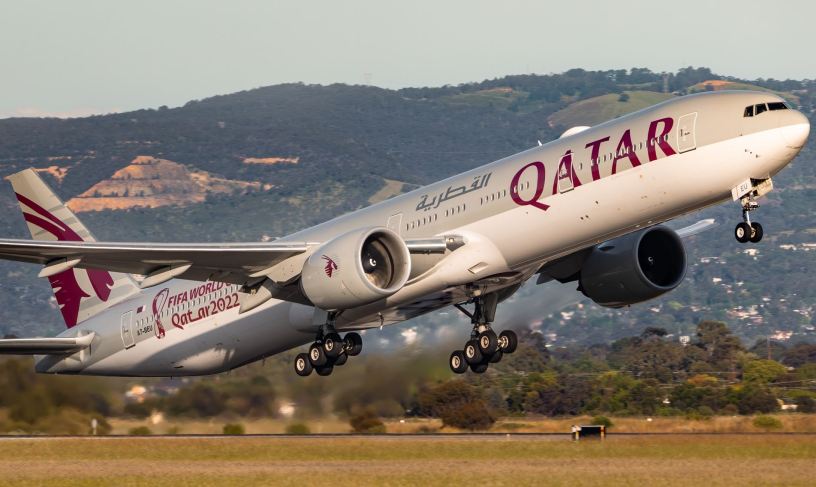
Qatar Airways is one of the world’s leading airlines, consistently recognized with multiple awards for its onboard product and extensive global network. Headquartered in Doha, the carrier has built a strong reputation not only for offering some of the finest business-class seats and service worldwide, but also for pioneering innovations that enhance the passenger experience. The airline holds several notable distinctions, including being the launch customer for Airbus’s next-generation A350 aircraft and the first to introduce fully enclosed business-class suites.
Onboard product
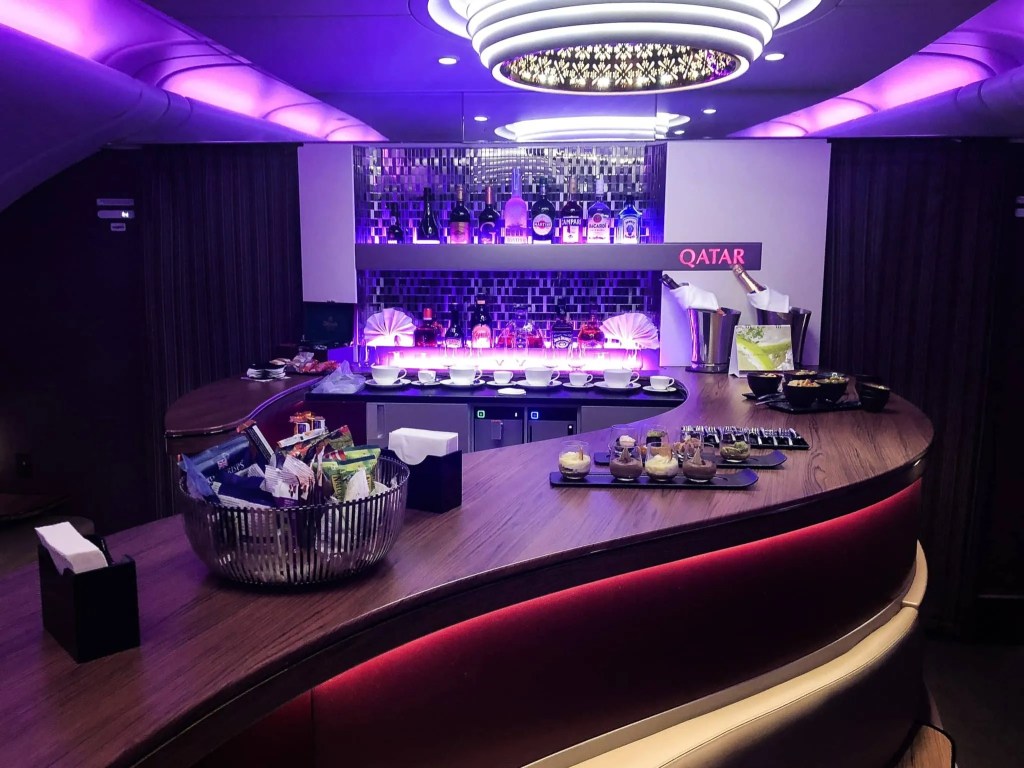
Qatar Airways features up to three service classes on its aircraft, including economy, business, and first class, with the award-winning Qsuite positioned as its signature premium product. Notably, first class is offered solely on selected aircraft.
First class
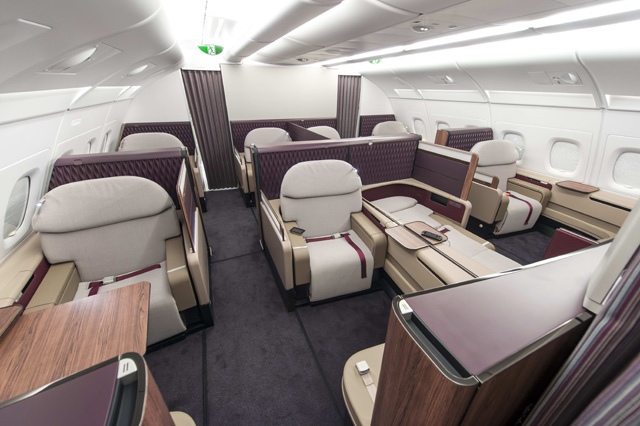
Qatar Airways’ first-class offering is limited to a small number of flights, as only its Airbus A380s (eight active aircraft) and a handful of Boeing 777s leased from Cathay Pacific feature dedicated first-class cabins. Unfortunately, these seats are showing their age, having been brought back into service after a period in storage due to fleet shortages and ongoing delays to the Boeing 777X program. It remains to be seen whether the upcoming 777X will reintroduce a true first-class cabin or if Qatar Airways will instead elevate a next-generation version of its Qsuite business class—first unveiled at the 2024 Farnborough Airshow—to flagship status. In the meantime, the airline continues to market premium cabins as first class on select regional medium-haul routes, offering enhanced service despite the use of standard business-class seating.
Business-class
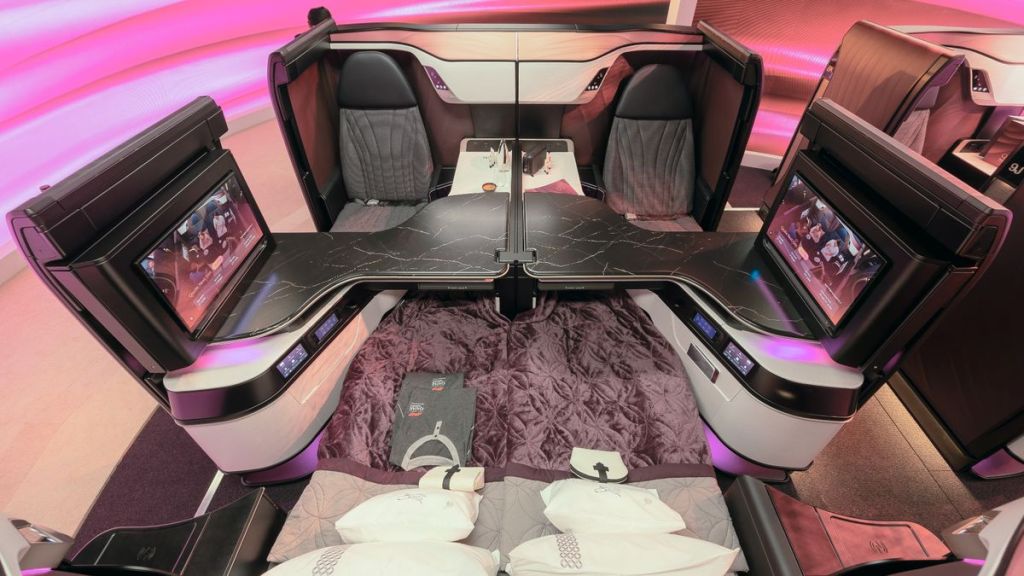
Launched in mid-2017, Qatar Airways’ Qsuite was a game-changer, becoming the first business-class product to offer fully enclosed suites and raising the bar for premium air travel. The cabin features a 1-2-1 layout with alternating forward- and rear-facing seats, while the center section can be transformed into either double suites or a four-seat “quad,” a rare and highly appealing feature for passengers traveling together.
However, despite its flagship status, Qsuite remains far from ubiquitous across Qatar Airways’ fleet. Several older Airbus A350-900s and Boeing 777s have yet to be retrofitted, and while the Boeing 787-9 offers a scaled-down version adapted to its narrower fuselage, the 787-8 and other smaller aircraft are not slated to receive Qsuite at all. As a result, the business-class experience can vary significantly depending on the aircraft, with some routes still offering a noticeably inferior product.

Economy class
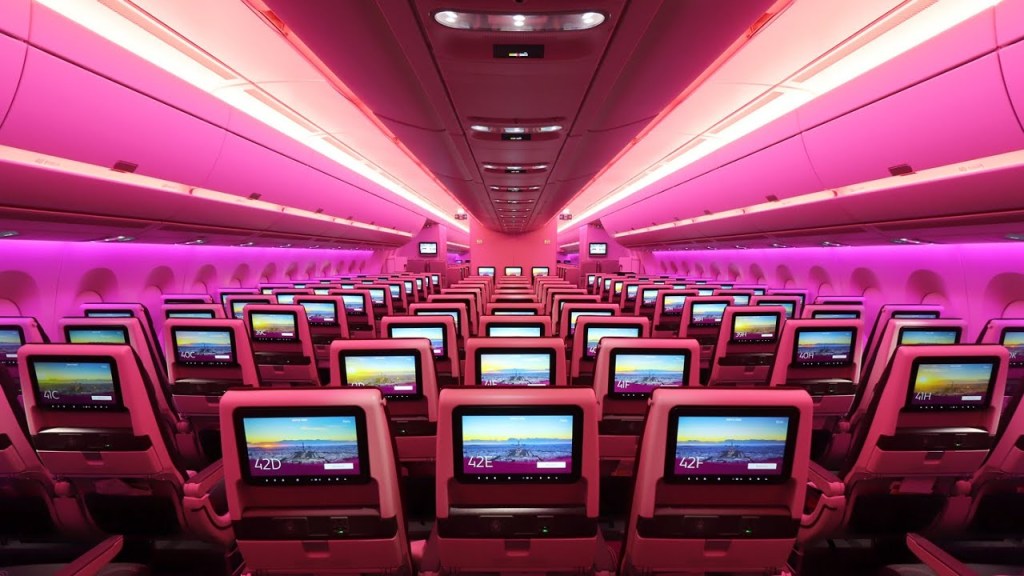
Economy class on Qatar Airways is dependable and consistent, with its newest cabins on the Airbus A350-1000 and Boeing 787-9 standing out for comfort and design.
Network
From its hub at Hamad International Airport, Qatar Airways serves over 170 destinations in 90 countries. The airline’s strategy focuses on hub-based connectivity, bridging Europe with Asia and Australia, and linking Asia and Eastern Africa with North America.

Fleet
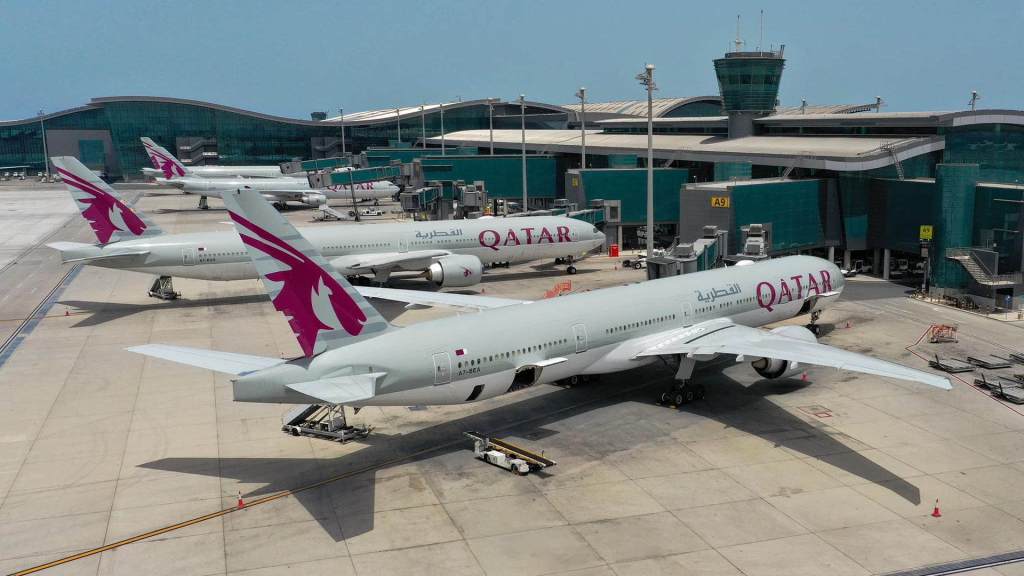
Qatar Airways boasts a fleet of over 250 aircraft, with more than 80% widebodies powering its long-haul and high-demand routes around the world. Its Airbus lineup spans the A320, A330, A350, and A380, while Boeing planes include the B737 MAX, B777, and B787—combining efficiency, comfort, and cutting-edge technology.
Looking to the future, the airline is investing heavily in fleet modernization. Over the next decade, it will introduce A321neo aircraft for its narrowbody network, along with state-of-the-art widebodies including the A350-1000, B787-9, and the eagerly awaited B777X—cementing Qatar Airways’ reputation as one of the world’s most innovative and passenger-focused carriers.
Bottom line
Over the past decade, Qatar Airways has seen remarkable growth, rising to become one of the world’s top airlines. Its reputation in the premium long-haul market is built on exceptional service and a consistently high-quality onboard experience.
Looking forward, the airline is focused on solidifying its position by modernizing its fleet, retiring older aircraft, and ensuring a consistent product across all routes—all while staying competitive with regional rivals like Emirates, Etihad Airways, and Turkish Airlines.
 Flymoreandbetter